Selecting the right HVAC (Heating, Ventilation, and Air Conditioning) system for your home can feel like a daunting task, especially with all the options available today. Whether you’re building a new home or replacing an outdated system, the decision will have a lasting impact on your comfort and energy bills for years to come. This guide will walk you through the key factors to consider so you can make an informed choice that fits your specific needs.
1. Understand Your Home’s Size and Layout
One of the most important factors when choosing an HVAC system is the size of your home. A system that is too large will cycle on and off frequently, leading to inefficiency and higher energy costs. On the other hand, a system that is too small will struggle to maintain a comfortable temperature, causing it to run constantly and wear out faster.
To determine the right size, you’ll need to calculate your home’s square footage and consider its layout. Open floor plans, multiple levels, and the number of windows will all affect the heating and cooling load. HVAC professionals can perform a load calculation to ensure you get a system that’s perfectly matched to your home’s needs.
2. Choose Between Central Air and Ductless Mini-Splits
The next step is deciding which type of system is best for your home. The two most common options are central air systems and ductless mini-splits.
- Central Air Systems: These are ideal for homes with existing ductwork or those looking for a whole-home cooling solution. Central air systems use ducts to distribute cooled air throughout your home. They’re great for consistent, even cooling across all rooms, but may require duct maintenance or upgrades.
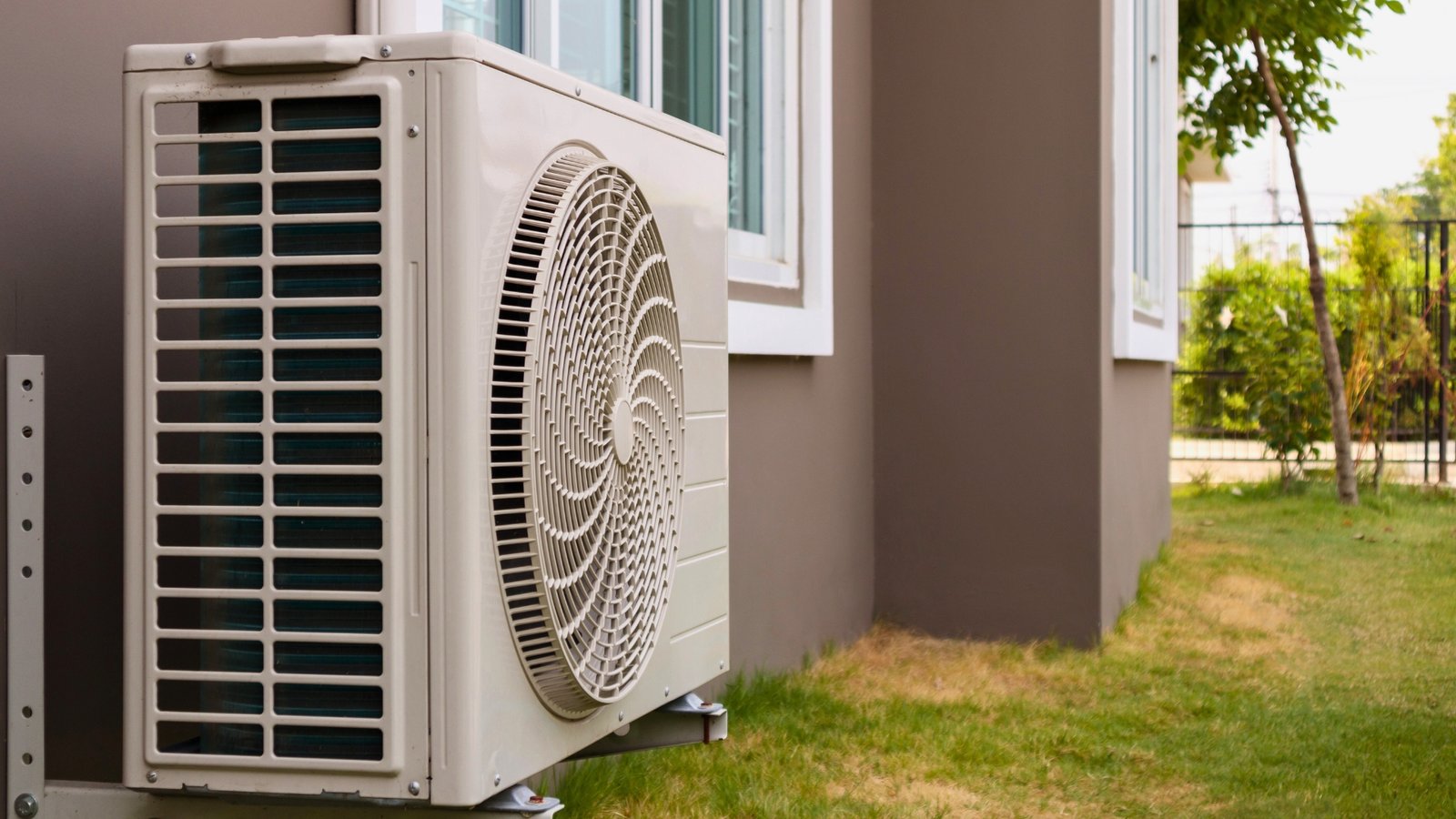
- Ductless Mini-Split Systems: If your home doesn’t have ducts or you want more flexibility, ductless mini-splits are a great option. They consist of an outdoor unit and one or more indoor units that can be mounted in different rooms. These systems are energy-efficient, easy to install, and allow for zone-based cooling, meaning you can control the temperature of each room independently.
3. Consider Energy Efficiency
Energy efficiency is a crucial consideration when selecting an HVAC system. Not only does an efficient system save you money on energy bills, but it also reduces your carbon footprint. HVAC systems are rated by SEER (Seasonal Energy Efficiency Ratio) for air conditioners and HSPF (Heating Seasonal Performance Factor) for heat pumps.
Look for systems with a high SEER or HSPF rating to ensure optimal performance and energy savings. Additionally, systems with ENERGY STAR® certification meet strict efficiency guidelines set by the U.S. Environmental Protection Agency, ensuring that you’re making an eco-friendly choice.
4. Evaluate Climate and Heating Needs
Your local climate will also play a major role in selecting the right HVAC system. If you live in an area with hot summers and mild winters, a cooling-focused system like a high-efficiency air conditioner or heat pump may be the best choice. However, if your winters are long and cold, you may need a system with strong heating capabilities, like a gas furnace or dual-fuel system.
A heat pump, which provides both heating and cooling, is a great option for moderate climates. In colder regions, pairing a heat pump with a furnace in a dual-fuel system can offer both energy efficiency and comfort year-round.
5. Consider Your Budget and Long-Term Costs
When choosing an HVAC system, the upfront cost is important, but it’s equally critical to factor in long-term expenses. A cheaper system may save you money initially, but it could end up costing more in repairs and higher energy bills over time. On the other hand, a higher-efficiency system might have a higher upfront cost but will provide savings in the long run.
Also, consider the cost of installation, potential rebates, and maintenance requirements. Investing in a quality system that’s professionally installed will help you avoid unnecessary repairs and ensure efficient operation for years to come.
Conclusion
Choosing the right HVAC system for your home requires careful consideration of your home’s size, your cooling and heating needs, energy efficiency, and your budget. By evaluating these factors, you can make an informed decision that will keep your home comfortable and your energy bills in check. Whether you choose central air or a ductless system, the right HVAC system will provide reliable comfort for years. And when in doubt, consulting an HVAC professional can help you navigate your options and find the best fit for your home.